
When you look at the steel building, you might first notice only strong columns, beams, or a metal roof. But behind that real strength, there are also several other parts that work together. One of these parts is the steel purlins, which remain hidden beneath the roof. Even though they are not a visible part, they still play a crucial role in the overall reliability of a steel building. But if you are new to metal buildings, steel purlins might seem new and also technical. If so, worry not! This complete guide to steel purlins for metal buildings will make things easier for you. I will discuss what steel purlins are, how they work, their types, and benefits. So let’s get started.

What Are Steel Purlins & How Do They Work?
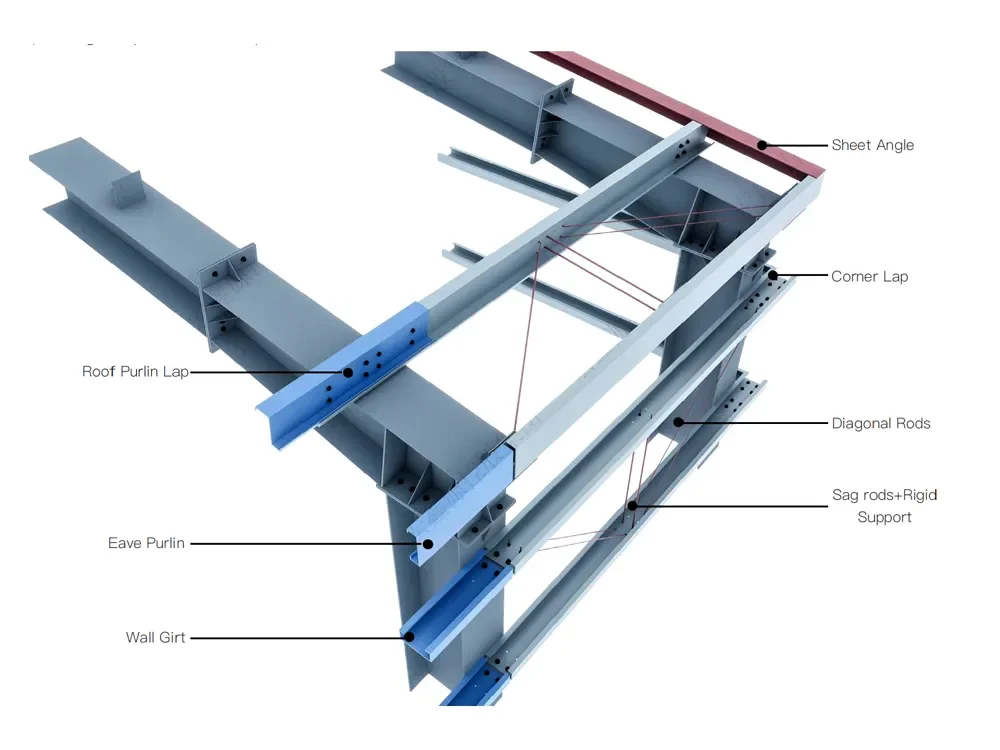
Steel purlins are horizontal steel members that support the roof or wall panels of a metal building. They are installed between the main structural frames, such as rafters or beams. As a result, they create a strong base for roofing sheets. Their main job is to carry the roof’s load and transfer it safely to the building’s larger structural elements.
No doubt steel purlins remain hidden beneath the roof. However, they play a key role in weight distribution and keeping the entire building stable. How? Actually, steel purlins work in a very simple way. In a metal building, the roof carries several loads, such as rain, wind, snow, and maintenance workers. Right? If these loads remain on the roof, they will quickly crack it and eventually cause it to collapse.
However, the purlins collect that weight and pass it to the rafters or main beams. Those structural members then transfer the load to the columns. Then, finally, these columns transfer the load into the building foundation. This smooth flow of weight helps the entire building stay balanced and reduces excess weight on roofs.
Why Are Steel Purlins Important in Metal Buildings?
Steel purlins are very important parts of any metal building. Without them, the building will not be able to distribute its weight. There are several reasons why steel purlins are very important in metal buildings. First of all, they give a metal building the support it needs to stay strong every day. As you know, the roof of a building is constantly carrying weight from wind, rain, snow, etc.
If this weight is not supported properly, the roof will bend, sag, or become unsafe over time. That’s where steel purlins create a solid framework beneath the roof. This framework allows it to handle these loads with greater strength and stability. Secondly, steel purlins help spread weight evenly across the entire structure. Heavy loads do not remain in one place; purlins transfer them to beams and columns and finally to the base.
Lastly, steel purlins improve the overall performance and lifespan of a metal building. How? They provide a secure base for fixing roof and wall panels. In this way, the roof remains in its proper shape, and no extra weight affects its durability. These purlins are also very easy to install and need low maintenance, which reduces overall costs and makes the building more secure.
Types of Steel Purlins
Now you have a basic understanding of steel purlins, how they work, right? Now you must know that they are not always the same. However, they come in different shapes to meet the needs of different metal buildings. Each type provides the right balance of strength for distinct metal buildings. So let’s dive in and explore the main types of steel purlins and how they differ.
1- C Purlins
The most common type of steel purlin is the C purlin, named after its C-shaped cross-section. When you look at it from the end, it looks like the letter C. This C shape is very beneficial in many ways. First of all, it is very lightweight yet strong, and it is easier to install. Secondly, C purlins are highly versatile. You can use them as roof purlins, wall girts, floor joists, or framing members in many different types of structures.
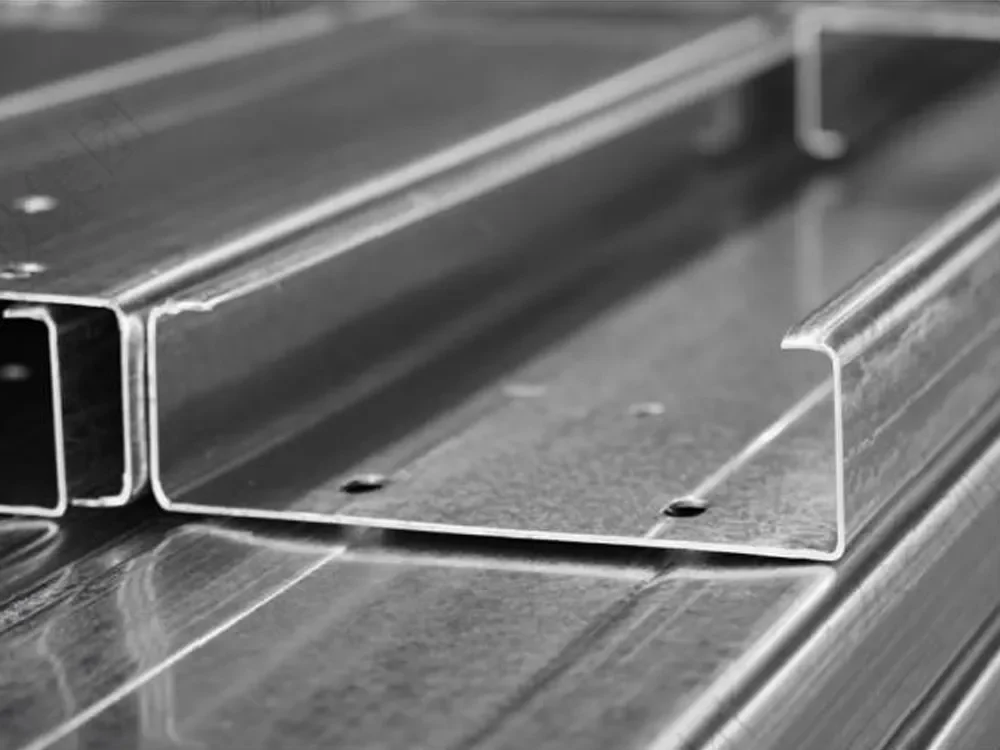
Also, they can be cut, drilled, and connected with ease. All this helps reduce construction time and labor costs. Still, the main job of a C purlin is to support the roof or wall panels and transfer their weight safely to the main structural frame. Generally, due to their lightweight nature, these steel purlins are used for buildings with short or medium roof spans.
2- Z Purlins
Now, the second type is Z purlins, so named for their Z-shaped cross-section. Like C purlins, they are used to support roof and wall panels in metal buildings. However, their unique shape gives them extra strength, especially in larger buildings. How? Actually, the big specialty is that they can slightly overlap with the next one during installation. This overlapping connection strengthens the roof support.
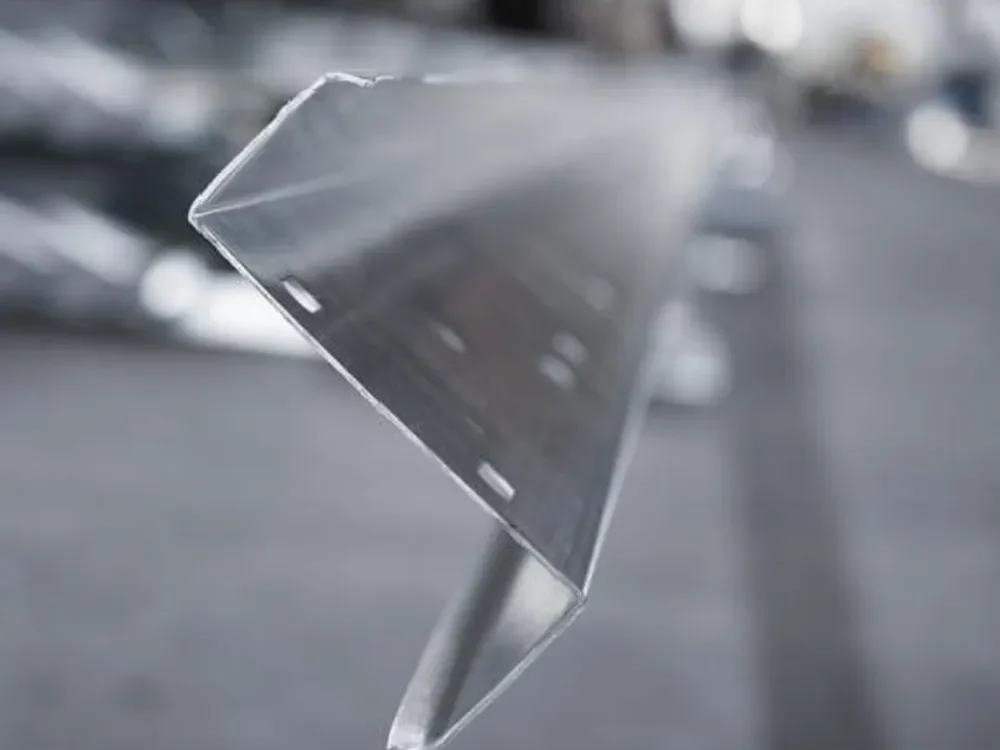
It allows the weight to move more smoothly from one purlin to another. Now, instead of one purlin carrying all the pressure by itself, several purlins work together. Because of this extra strength, Z purlins are mostly used in larger buildings. You can find them in warehouses, factories, industrial buildings, and shopping centers. This extra strength does not make Z purlins heavy, but they are still lightweight. However, Z purlins may take a little more time to install than C purlins.
C-Purlin vs. Z-Purlin: A Side-by-Side Comparison
C purlin and Z purlin both serve the same function: supporting roof loads. However, they do this in different ways. This is where many get confused about choosing the right purlin. But you need not worry. Below is the table showing a clear comparison between C and Z purlins. You can see how they differ and make a better selection for your metal building.
| Feature | C Purlin | Z Purlin |
|---|---|---|
| Shape | C-shaped | Z-shaped |
| Strength | Medium | High |
| Best Span | Short to medium | Medium to long |
| Overlap | No | Yes |
| Installation | Easy | Slightly complex |
| Common Use | Small to medium buildings | Large buildings |
| Cost | Lower | Slightly higher |
Materials Used to Make Steel Purlins
Steel purlins can be made from different types of steel. Each type of steel has its own advantage. That’s why the final choice depends on where the building will be used and how much weight it needs to carry. Let’s discuss the main types of steel used to make steel purlins.
1- Galvanized Steel
Galvanized steel is the most commonly used material for making steel purlins. It is regular steel that has been coated with a layer of zinc. Actually, during this process, the steel is dipped into a bath of hot zinc. After a short time, zinc forms a layer that protects the steel from rust, dust, moisture, and corrosion. As a result, galvanized steel purlins can last much longer, even when they are exposed to rain and humidity. At the same time, it provides reliable structural support and requires very little care over the years. For most metal building projects, galvanized steel is often the first choice.
2- Hot-Rolled Steel
Another material used to make steel purlins is hot-rolled steel. It is produced by heating steel to a very high temperature before shaping it into the required form. This process makes the steel strong and suitable for carrying heavy structural loads. That’s the reason hot-rolled steel is chosen for projects where extra strength is more important. However, unlike galvanized steel, hot-rolled steel does not automatically have a protective coating. If it is going to be used in outdoor or damp environments, it usually needs painting or galvanizing.
3- Cold-Formed Steel
Cold-formed steel is made by shaping steel sheets at room temperature instead of heating them. This creates purlins with precise dimensions, smooth edges, and a high strength-to-weight ratio. Now, even though this purlin is lightweight, its manufacturing gives it excellent strength. Most C purlins and Z purlins used today are made from cold-formed steel.
Advantages of Steel Purlins
Steel purlin roofs have become important in almost all metal structures and steel buildings. The reason lies in their ability to distribute weight equally and their durability. But that’s not all. Let’s discuss more benefits of steel purlins that make them stand out.
- High Strength but Lightweight: The first major benefit of steel purlins is their strength. But that strength does not make them heavy. Instead, they are lightweight and support the weight of roofing sheets, equipment, rain, and wind. This makes the building easier to design and construct.
- Corrosion Resistance: Many steel purlins are made from galvanized steel. They are coated with a protective layer of zinc. This coating helps protect the steel from rust and corrosion. Even in humid places, the building stays strong and rust-free
- Easy Installation: Steel purlins are manufactured in standard sizes with accurate dimensions. This makes them easier to install during construction. They can be lifted, positioned, and connected quickly using bolts and fasteners. This reduces labor time and saves costs for heavy machinery.
- Low Maintenance: Once installed, steel purlin roofs need very little maintenance. Unlike wood, they do not attract termites, rot, or become damaged by moisture. Regular inspections are usually enough to keep them in good condition.
- Cost-Effective: No doubt steel purlins may sometimes cost more than certain traditional materials. However, this initial cost saves money in the long run. How? They have a long service life, are durable, and require low maintenance. All of this reduces the need for frequent repairs, thereby saving costs.
Conclusion
Steel purlins are not the most noticeable part of steel buildings. However, they contribute to the overall strength and durability of any metal building. They are horizontal steel members that provide support, keep the roof strong, and help carry heavy loads safely. However, they don’t work alone but have partnerships with several other components.
Also, in terms of sizes and shapes, these steel purlins come in the two most common types that I have discussed in this guide. You can choose the one that matches your building needs to ensure reliability. Also, the material used to make these purlins is mainly galvanized, hot-rolled, or cold-rolled steel. No matter what purlin you choose, make sure it offers the right balance of strength, reliability, and cost.