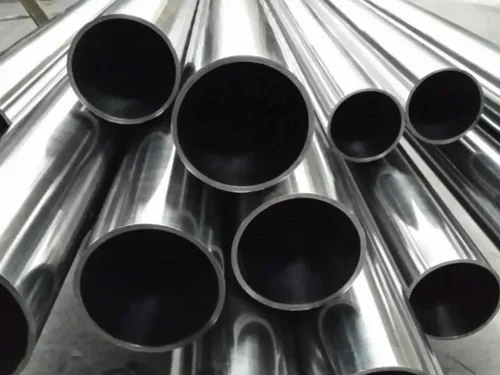
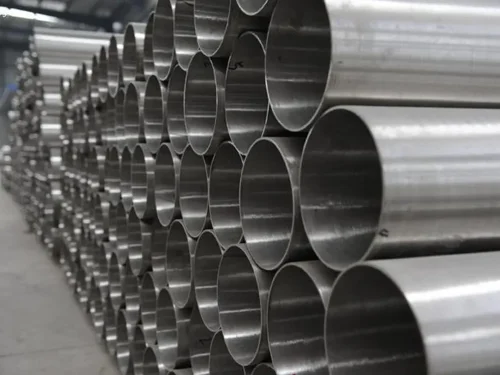
Our Steel Trusses Solutions
We provide the following types of standardized solutions:
- Inclined Trusses
- Flat Trusses
- Inverted Trusses
- Primary Trusses Supporting Secondary Structures
If fire-resistant properties are required, we can provide factory-precoated trusses. This will shorten the construction cycle and enhance on-site health and safety standards.
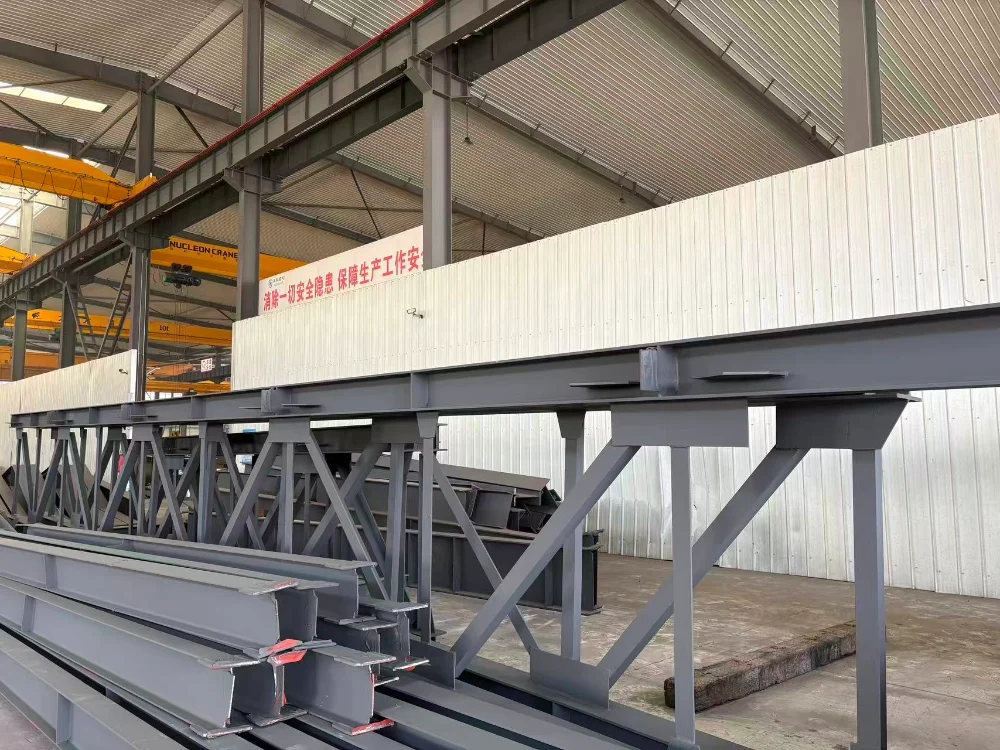

Advantages of Steel Trusses
1. Long-Span Strength
Steel trusses optimize layouts with tension-compression members to carry heavy loads. They are well-suited for large-span projects such as stadium roofs and long-span bridges.
2. Lightweight and High Strength
The hollow truss structure decreases self-weight to between 1/3 and 1/2 that of traditional solid beams. This significantly reduces foundation engineering costs while maintaining a higher load-bearing capacity.
3. Design Flexibility
Steel trusses support customized span, height, and member arrangements. They adapt to curved roofs, equipment maintenance spaces, and diverse architectural design needs.
4. Rapid Construction
Prefabricated truss components enable on-site assembly via bolting or welding. This reduces the construction period by 40% when compared to traditional cast-in-place structures.
5. Enhanced Durability & Seismic Resilience
Anti-corrosion treated steel ensures long-term durability. Ductile joints and members dissipate seismic energy. This significantly enhances structural safety during earthquakes.
Manufacturing & Quality Control Process
The manufacturing and quality control process of steel structures typically involves several key steps to ensure the final product meets design specifications and safety standards.
1. Design and Engineering:
Detailed engineering drawings and specifications are created based on architectural designs and structural requirements.
Computer-aided design (CAD) software is often used to simulate and optimize the design.
2. Material Selection:
Appropriate grades of steel are selected based on the structural requirements, environmental conditions, and regulatory standards.
Material certifications and test reports are often required to verify quality.
3. Cutting and Shaping:
Steel components are cut and shaped using various methods such as sawing, shearing, or laser cutting.
CNC machines are often employed for precision and efficiency.
4. Welding and Assembly:
Components are welded or bolted together according to the design specifications.
Skilled welders ensure that joints meet strength and quality requirements.
5. Surface Treatment:
Steel surfaces may undergo treatments such as sandblasting, painting, or galvanizing to enhance corrosion resistance and durability.
6. Quality Control Inspections:
Inspections are conducted at various stages, including material inspection, weld inspection, and dimensional checks.
Non-destructive testing (NDT) methods, such as ultrasonic or radiographic testing, may be used to detect internal flaws.
7. Trial Assembly:
In some cases, a trial assembly is conducted to ensure that all components fit together correctly before final delivery.
8. Documentation and Certification:
Detailed records of the manufacturing and quality control processes are maintained.
Certifications are issued to confirm that the steel structure meets all required standards and specifications.
9. Packaging and Delivery:
Finished components are carefully packaged to prevent damage during transportation.
Logistics are planned to ensure timely delivery to the construction site.
10. Installation and Final Inspection:
On-site assembly and installation are carried out by skilled personnel.
A final inspection ensures that the erected structure complies with all safety and design requirements.
This comprehensive process ensures that steel structures are manufactured to high standards of quality and reliability, suitable for their intended applications.
Applications & Case Studies

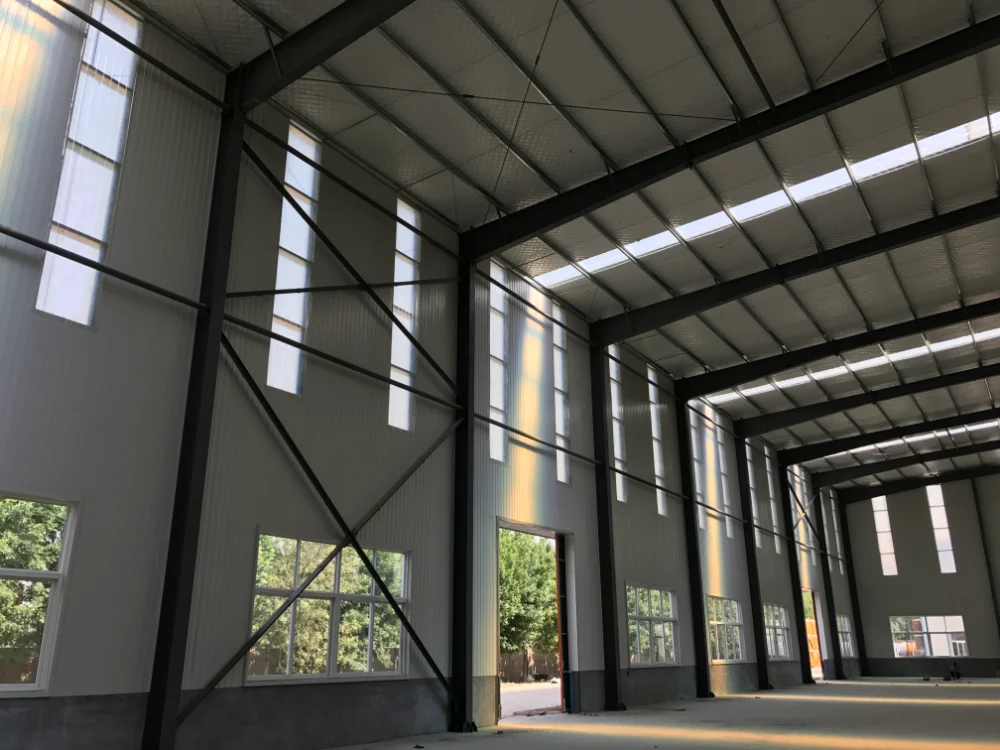

Steel Trusses Delivery & Shipping


Certified Quality Systems


FAQs
Steel trusses are structural frameworks made of steel designed to support roofs and other structures. They consist of triangular units that distribute weight and provide stability.
Steel trusses offer several benefits. These include high strength-to-weight ratio, durability, resistance to pests and fire, and the ability to span large distances without support.
Steel trusses are generally more durable and require less maintenance than wooden trusses. They are also more resistant to environmental factors such as moisture, fire, and pests.
Yes. Steel trusses can be custom-made to meet the specific requirements of a project, including size, shape, and load-bearing capacity.
Steel trusses are typically pre-fabricated and then transported to the construction site, where they are lifted into place and secured to the building structure.
The initial cost of steel trusses may be higher than that of wooden trusses. However, they can offer cost savings over time due to their durability, low maintenance requirements, and longer lifespan.
Steel trusses require minimal maintenance. Periodic inspections are recommended to detect signs of corrosion or structural damage.
Steel trusses are used in a variety of structures. These include commercial buildings, warehouses, industrial facilities, etc.
Steel trusses are non-combustible and can maintain their structural integrity longer than wood in a fire. However, they may require additional fireproofing measures in specific applications.
Yes. Steel trusses must comply with local building codes and standards, which are designed to ensure safety and structural integrity.