Our Steel Beam Types
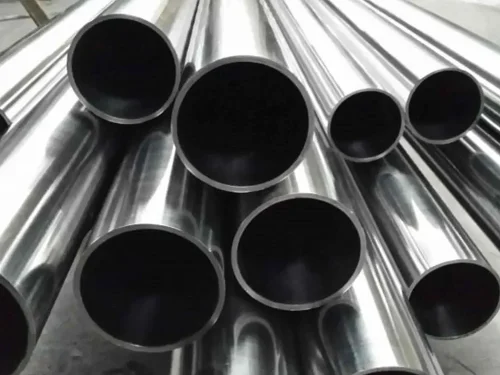
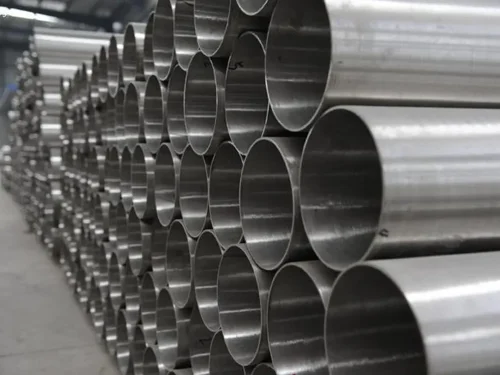
Steel beams mainly include H-Beams, Box Beams, and Crane Beams. Each type is designed for different structural applications. They can be customized according to project requirements.

H-Beams
Description: H-shaped beams are known for their high load-bearing capacity and excellent structural efficiency, making them ideal for use in frame structures.
Application: They are widely used in industrial facilities, high-rise buildings, and large-scale infrastructure projects.

Box Beams
Description: Box beams offer high torsional rigidity and load-bearing capacity, making them suitable for demanding structural applications.
Application: They are commonly used in bridges, industrial buildings, and high-rise structures to provide robust support.

Crane Beams
Description: Crane beams are designed to support the dynamic and static loads of overhead crane systems, offering high strength and stability.
Application: They are widely used in industrial facilities and warehouses for efficient material handling and lifting operations.
Advantages of Steel Beams
Steel beams offer several advantages that make them a popular choice in construction and engineering projects:
1. High Strength-to-Weight Ratio
Steel beams provide significant strength without adding excessive weight, making them ideal for supporting large loads and spanning long distances.
2. Durability
Steel is resistant to pests, rot, and decay, ensuring a lengthy lifespan for structures built with steel beams.
3. Versatility
Steel beams can be customized in various shapes and sizes to meet specific design and structural requirements, allowing for flexibility in architectural design.
4. Ease of Installation
Prefabricated steel beams can be quickly and efficiently installed, reducing construction time and labor costs.
5. Recyclability
Steel is 100% recyclable, making it an environmentally friendly option that contributes to sustainable building practices.


Manufacturing & Quality Control Process
The manufacturing and quality control process of steel structures typically involves several key steps to ensure the final product meets design specifications and safety standards.
1. Design and Engineering:
Detailed engineering drawings and specifications are created based on architectural designs and structural requirements.
Computer-aided design (CAD) software is often used to simulate and optimize the design.
2. Material Selection:
Appropriate grades of steel are selected based on the structural requirements, environmental conditions, and regulatory standards.
Material certifications and test reports are often required to verify quality.
3. Cutting and Shaping:
Steel components are cut and shaped using various methods such as sawing, shearing, or laser cutting.
CNC machines are often employed for precision and efficiency.
4. Welding and Assembly:
Components are welded or bolted together according to the design specifications.
Skilled welders ensure that joints meet strength and quality requirements.
5. Surface Treatment:
Steel surfaces may undergo treatments such as sandblasting, painting, or galvanizing to enhance corrosion resistance and durability.
6. Quality Control Inspections:
Inspections are conducted at various stages, including material inspection, weld inspection, and dimensional checks.
Non-destructive testing (NDT) methods, such as ultrasonic or radiographic testing, may be used to detect internal flaws.
7. Trial Assembly:
In some cases, a trial assembly is conducted to ensure that all components fit together correctly before final delivery.
8. Documentation and Certification:
Detailed records of the manufacturing and quality control processes are maintained.
Certifications are issued to confirm that the steel structure meets all required standards and specifications.
9. Packaging and Delivery:
Finished components are carefully packaged to prevent damage during transportation.
Logistics are planned to ensure timely delivery to the construction site.
10. Installation and Final Inspection:
On-site assembly and installation are carried out by skilled personnel.
A final inspection ensures that the erected structure complies with all safety and design requirements.
This comprehensive process ensures that steel structures are manufactured to high standards of quality and reliability, suitable for their intended applications.
Why Choose Huake For Your Structural Steel Beams?
-
Customization Capabilities
Huake offers tailored solutions based on specific project requirements, including custom sizes, shapes, and designs to meet unique structural needs.
-
High-Quality Materials
We use premium-grade steel to ensure durability and strength, adhering to industry standards and certifications for quality assurance.
-
Advanced Manufacturing Techniques
Our state-of-the-art facilities and cutting-edge technology enable precise fabrication and efficient production processes.
-
Experienced Team
Huake boasts a team of skilled engineers and technicians with extensive experience in designing and manufacturing steel beams for various applications.

Applications & Case Studies


Steel Beams Delivery & Shipping


Certified Quality Systems


FAQs
Common types include I-beams (or H-beams), T-beams, C-beams (or channels), and box beams, each designed for specific structural applications.
The size of a steel beam is determined by the load it needs to support, the span length, and the specific requirements of the building codes and design specifications.
Steel beams offer high strength, durability, flexibility in design, and are lightweight compared to other materials, making them ideal for a wide range of structural applications.
Steel beams can be protected through galvanizing, painting, or applying protective coatings to prevent rust and extend their lifespan.
Yes, steel is 100% recyclable, making it an environmentally friendly choice for construction projects.
I-beams have a tapered flange, while H-beams have a wider flange, providing different structural properties and applications.
Steel beams are typically connected using welds or bolts, with connections designed to effectively transfer loads between structural elements.
Factors include the type of steel, size and length of the beam, fabrication complexity, and market conditions for raw materials.
Yes, steel beams are increasingly used in residential construction for their strength, ability to span long distances, and modern aesthetic appeal.
Regular inspections for signs of corrosion or damage and maintaining protective coatings as needed are essential to ensure the longevity and performance of steel beams.